
When Your Child Feels Truly Seen

Hello Parents,
Many children grow up knowing they are loved.
But not every child grows up feeling understood.
For neurodivergent kids, that difference matters.
A child can receive care, structure, and encouragement, yet still feel that the adults around them do not quite understand how their mind works.
When that happens often enough, children sometimes start hiding parts of themselves. They stop explaining their reactions. They mask their preferences. They assume their way of thinking is the problem. Feeling seen changes this.
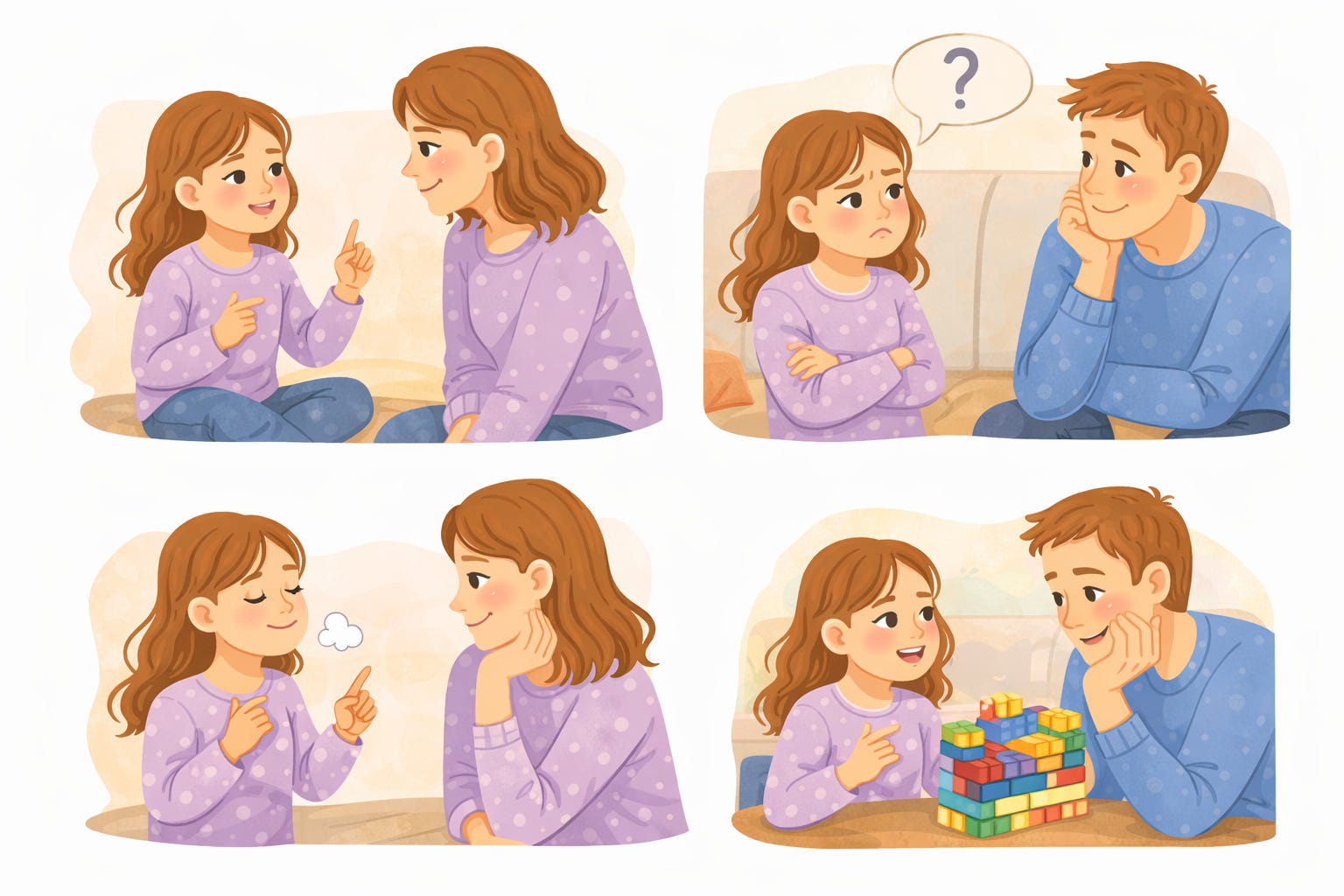
When a child senses that someone is genuinely trying to understand them, their nervous system settles. They become more open, more cooperative, and more willing to share what is happening inside.
Being seen does not mean approving every behavior.
It means becoming curious about the child’s experience.
A meltdown may look like defiance.
Refusing a task may look like stubbornness.
Shutting down may look like avoidance.
But underneath, the child may be overwhelmed, confused, or struggling to shift gears.
Curiosity changes the interaction.
Instead of beginning with correction, interest and attunment looks like this:
“What happened just now inside you?”
“That seemed really frustrating.”
“Help me understand what made that hard.”
Children respond differently when they feel someone is trying to understand them rather than manage them. We probably all know how to do this intuitively but can forget.
Attention to a childs inner life is one of the strongest signals of care.
Children notice when someone is fully present and attuned.
For neurodivergent kids—who often experience correction or misunderstanding throughout the day and their lives—this kind of attunement to their experience can be especially meaningful.
It helps regulate their emotions, helps them feel connected and safe, and helps them know and understand themselves.
A small practice for this week:
Ask one curious question of your child about their thoughts feelings or actions.
Bonus points if you can do this instead of giving advice and correction.
Sometimes the most powerful support a child can experience is simply this:
Someone is trying to understand me.
Hoping you and your family have a good week.
Kristen McClure, MSW, LCSW
Neurodivergent-affirming therapist and advocate